


What Is a Ginger Bug?
A ginger bug is a fermentation starter made from fresh ginger, sugar, and water that captures wild yeasts and beneficial bacteria from the ginger’s skin. Similar to a sourdough starter for bread, a ginger bug creates natural carbonation in homemade sodas and fermented beverages without commercial yeast.
When properly activated over 5-7 days, your ginger bug develops a rich ecosystem of lactic acid bacteria and yeasts. Research published in Food Chemistry shows that a ginger bug fermented for 96 hours produces the most consistent results, creating a reliable starter culture that gives you perfect carbonation every single time.
Unlike store-bought sodas or commercial yeast, a ginger bug harnesses wild fermentation—the same ancient process used for thousands of years to create naturally fizzy drinks. The best part? Once you’ve made one, you can keep it alive indefinitely with simple weekly feedings.
This is a lovely piece written by Jennifer Helen
Why Use a Ginger Bug in Wild Fermentation?
Ginger bug activated for 96 hours develops a rich mix of beneficial microbes, including lactic acid bacteria and yeasts, which produce a stronger, more consistent ferment, research in Food Chemistry reveals. Ginger bug (made from fresh ginger, sugar and water) is great for wild soda because the living microbes driving fermentation are unpredictable by nature and it’s therefore too easy to end up with flat soda one time or too much fizz the next. This is a strong starter culture you can build at home to give you reliable carbonation every time. The float test also tells you exactly when the ginger bug’s at peak activity and ready to use, and you just need to keep it fed to always have this amazing starter ready to go.
How to Make a Ginger Bug: Step-by-Step Recipe
Ingredients You’ll Need
For Starting Your Ginger Bug:
- 1-2 inches fresh ginger, unpeeled (organic preferred)
- 2 tablespoons white sugar (or organic cane sugar)
- 1 cup spring or filtered water (not tap water)
- 1 clean glass jar (pint-sized or larger)
- Muslin cloth or coffee filter
- Rubber band
For Daily Feedings (Days 2-7):
- 1 tablespoon fresh grated ginger daily
- 1 tablespoon white sugar daily
- Splash of water as needed
Steps to make your Ginger Bug
Grate a smallish piece of fresh ginger and add it to a clean jar along with two tablespoons of white sugar and a cup of fresh water.
Use spring or mineral water and not tap water. Chlorine is bad for fermentation.
Then cover the jar with muslin cloth secured with a rubber band and leave it at room temperature for several days.
Once a day everyday, add another tablespoon of grated ginger and a tablespoon of sugar and a splash of water.
By day five or seven, you should see bubbles after feeding and that means your starter’s ready. But if not, just keep feeding it until it does have bubbles.
Don’t worry about all the sugar you’re adding as the yeast eats most of it during fermentation, so what you’re left with is actually far lower in sugar than a regular fizzy drink. That’s especially good news if you’re watching your weight. You tend to get food cravings because sugar spikes and crashes your blood sugar, and research shows that people who lost more than 5% of their body weight over two years had less cravings overall than those who didn’t. GLP-1s like Mounjaro help with weight loss as they reduce appetite and stabilise blood sugar, which makes it easier to cut out sugar altogether. Pairing this medication with low-sugar foods helps weight loss stick long-term. Wild sodas are also an easy swap that cuts out sugar without giving up the fizz.
 The Float Test: When Your Ginger Bug Is Ready
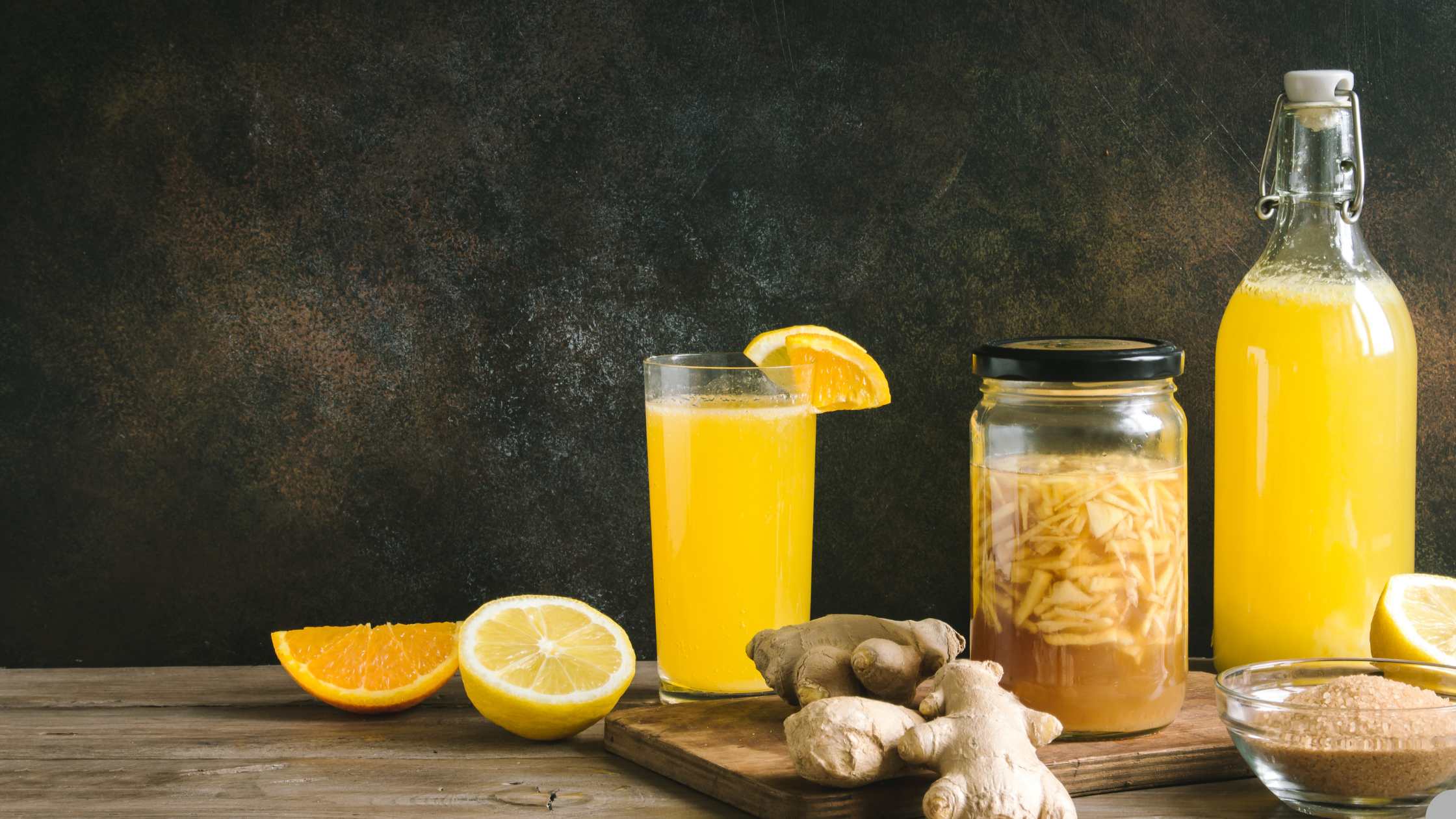 The Float Test: When Your Ginger Bug Is Ready
The float test tells you when your starter is most active and will give you the strongest and most consistent carbonation.
This is important because your soda will be flat if you add the ginger bug before it’s ready. Or it might be overcarbonated if you add it too late past its peak.
The float test takes the guesswork out of this process and it’s easy to do. Just take a spoon of your starter and drop it into a glass of room temperature water. If it floats, the yeast is full of CO2 and active enough to carbonate your sodas properly. Don’t worry if it sinks though. Just leave it a few hours and test again.
It’s best to feed your starter the night before you want to brew your wild soda. In the morning, it’ll likely be at its peak and ready to pass the test.
How to Store and Maintain Your Ginger Bug – Keeping it Alive
Keep the jar covered in the fridge to store it properly in between brews. The cold will slow the yeast down without killing it. Also feed the ginger bug once a week with a tablespoon of grated ginger, sugar and water.
Leave it out on the counter for a few hours after feeding before you put it back in the fridge. This is so the yeast has a chance to eat the sugar and stay active and not go dormant in the cold.
Feed it regularly and the yeast colony will become stronger and more established over time. This will give you the perfect carbonation you want for your wild sodas every time you brew them.
A ginger bug can help you brew consistent wild sodas every time. Once you have one on the go, it’s easy to keep up with it and you’ll never go back to buying fizzy drinks again.
Ways to Use Your Ginger Bug
Once your ginger bug passes the float test, you have a versatile fermentation tool. Here’s what you can make:
Naturally Carbonated Ginger Beer
The most traditional use. Mix 1/4 cup active ginger bug with sweetened ginger tea, bottle it, and ferment for 2-3 days for fizzy homemade ginger beer.
Fruit-Flavored Wild Sodas
Create strawberry soda, lemon-lime fizz, or apple sparkler by adding your ginger bug to fruit juice mixtures. The natural fruit sugars provide food for fermentation.
Root Beer and Herbal Sodas
Use your ginger bug as the starter for traditional root beer made with sassafras, sarsaparilla, and other roots and herbs.
Fermented Lemonade
Add 1/4 cup ginger bug to homemade lemonade and ferment in sealed bottles for 24-48 hours for a probiotic-rich, fizzy summer drink.
Starter for Other Ferments
Some fermenters use ginger bug liquid to kickstart other fermentation projects like water kefir or even as an alternative to commercial yeast in certain recipes.
Troubleshooting Common Ginger Bug Issues
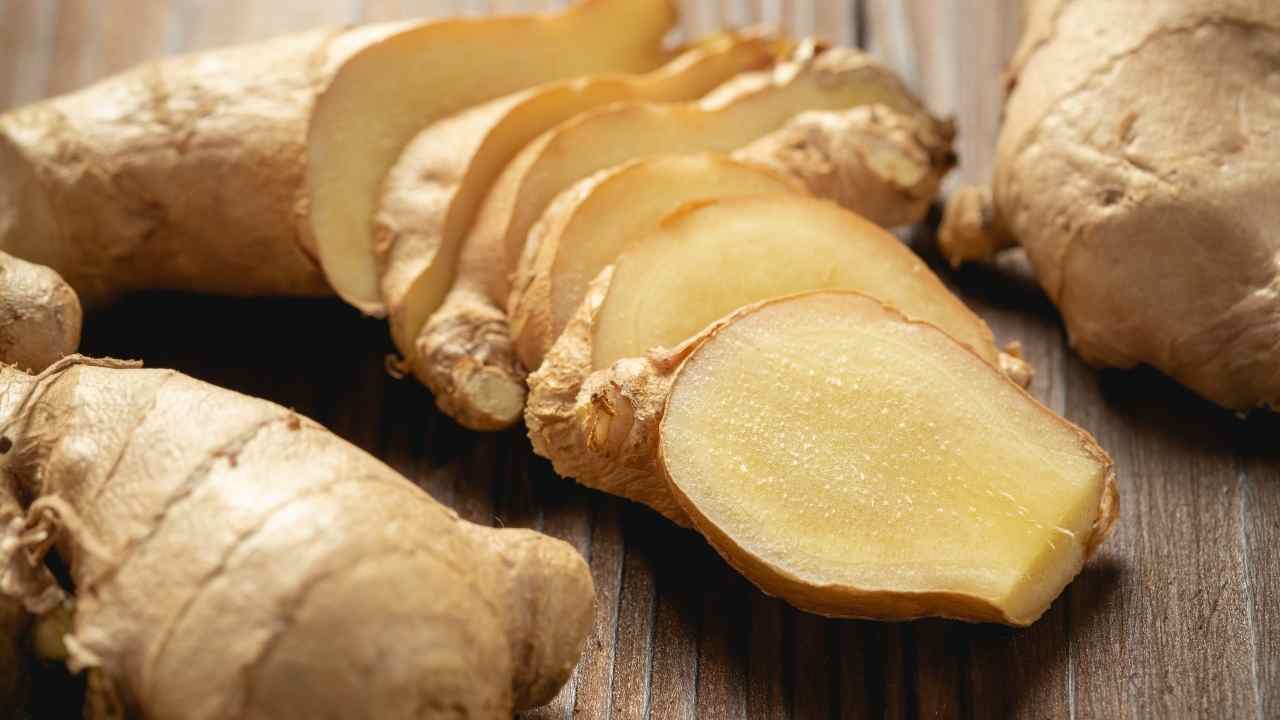 Troubleshooting Common Ginger Bug Issues
My ginger bug isn’t bubbling after a week
- Ensure you’re using unchlorinated water (chlorine kills beneficial bacteria)
- Check that your room temperature is between 68-78°F (20-26°C)
- Try switching to organic ginger with the skin on (wild yeasts live on the peel)
- Increase feeding frequency to twice daily for 2-3 days
I see white film or fuzzy growth on top
- White film (kahm yeast) is harmless—skim it off and continue
- Fuzzy colored mold (green, black, pink) means discard and start fresh
- Ensure your jar is covered but can breathe (muslin cloth is ideal)
My ginger bug smells like alcohol or nail polish remover
- This indicates too much yeast activity—add only half the usual sugar for 2-3 feedings
- Stir more vigorously to introduce oxygen, which favors bacteria over yeast
- If smell persists after 3 days, start a new batch
The float test never works
- Try the test at different times—peak activity is usually 4-8 hours after feeding
- Make sure your starter is at room temperature (cold starters won’t float)
- Use a fresh spoonful from just below the surface layer
Frequently Asked Questions
Is it safe to drink a ginger bug?
Yes, a properly fermented ginger bug is safe to drink when made with clean equipment and good-quality ingredients. The fermentation process creates an acidic environment (pH below 4.6) that prevents harmful bacteria from growing. However, always discard your ginger bug if you notice any off-putting smells, discoloration, or mold.
What is a ginger bug used for?
A ginger bug is a fermentation starter used primarily to make naturally carbonated sodas and fermented beverages like ginger beer, root beer, and fruit sodas. The wild yeasts and beneficial bacteria in the ginger bug consume sugars and produce carbon dioxide, creating natural fizz without commercial yeast.
Is a ginger bug a risk of botulism?
No, botulism is extremely unlikely in a ginger bug. Botulism bacteria (Clostridium botulinum) cannot survive in acidic environments, and fermentation naturally creates acid. As long as you maintain proper fermentation practices—using clean equipment, feeding regularly, and discarding any batches that smell or look wrong—botulism is not a concern.
What does a ginger bug taste like?
A mature ginger bug has a tangy, slightly sweet, and spicy flavor with a hint of fermentation sourness (similar to sourdough starter). The ginger provides warmth and spice, while the fermentation adds complexity. It’s not typically consumed on its own but used to flavor and carbonate beverages.
How long does a ginger bug last?
With proper care and weekly feedings, a ginger bug can last indefinitely. Some fermentation enthusiasts have kept the same ginger bug alive for years. As long as you feed it regularly and store it properly in the fridge between uses, your starter will remain active and ready whenever you need it.
Can I use ground ginger instead of fresh?
No, you need fresh ginger with the skin on. The wild yeasts and bacteria that make fermentation happen live on the surface of fresh ginger root. Ground ginger has been processed and dried, so it doesn’t contain the living microorganisms needed to create your starter culture.
This is a lovely piece written by Jennifer Helen – Thank You