


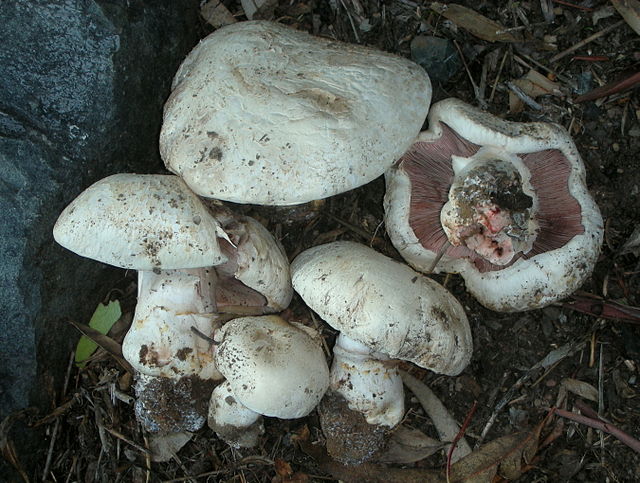
The Salty Agaric / Summer / Autumn / Edible Scientific Name Agaricus Bernardii Common Names The Salty Agaric, The Salt-loving mushroom. Family Agaricaceae Habitat As their common name suggests they love salty environments so are most often found near to the coast, although they are becoming more common on inland…
Journal
As an avid forager, I am always on the lookout for ways to utilize the natural resources around me. One of my favorite finds during the autumn season is horse chestnuts, also known as conkers. These shiny nuts may not be edible, but they have a hidden secret – they…
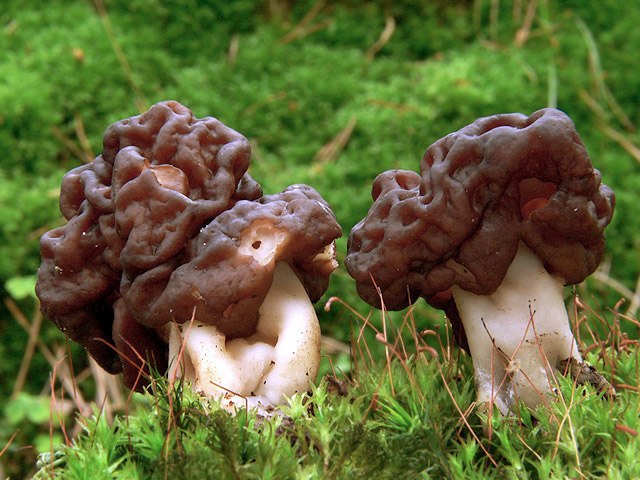
False Morel / Spring / Toxic Enter a realm of danger as we unveil the sinister truth about the False Morel (Gyromitra esculenta), a mushroom that demands utmost caution. Join us on a journey where deception and toxicity intertwine. With its intricate brain-like appearance and earthy allure, the False Morel…
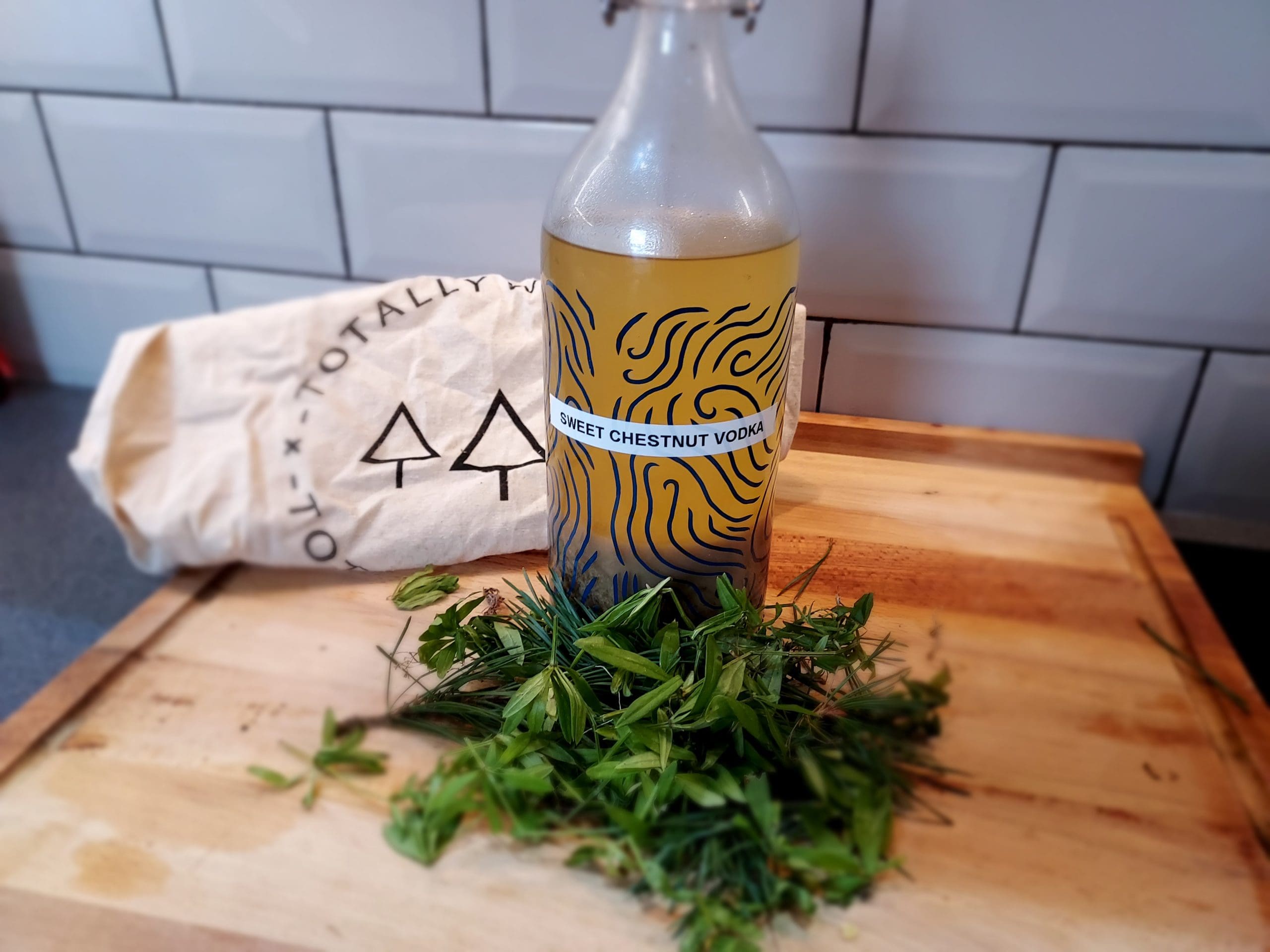
Today we’re taking a look at transforming autumns abundance of chestnuts into this salted caramel & sweet chestnut vodka, trust me it’s loooooovely! Sweet Chestnuts trees are common throughout the UK and they produce their delicious and nutritious nuts in Autumn, this a really simple recipe and a great way…
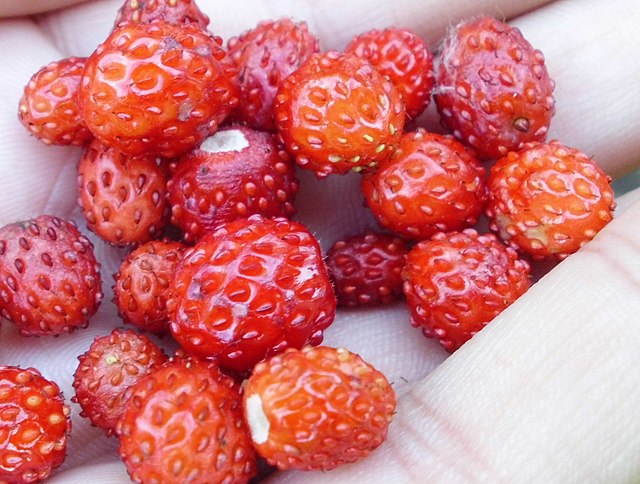
Wild Strawberry / Spring / Summer / Edible A common sight in woodlands, gardens and parks. It’s a native perennial plant that’s really easy to identify. Common Names Wild Strawberry, Woodland Strawberry, Alpine strawberry, Carpathian strawberry, European strawberry. Botanical Name Fragaria vesca Scientific Classification Kingdom – Plantae Order – Rosales…
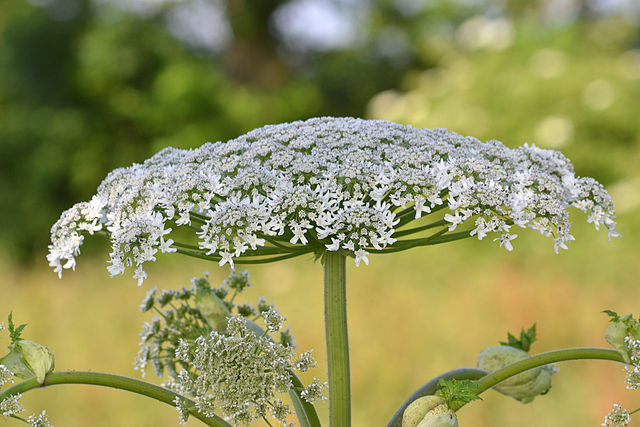
Giant Hogweed / Spring / Summer / Autumn / Toxic Giant Hogweed is a non-native invasive member of the Carrot family. It’s classed as scarce in the UK but it can be very common in some areas, and is spreading. When fully grown they can reach up to 4.5 metres…
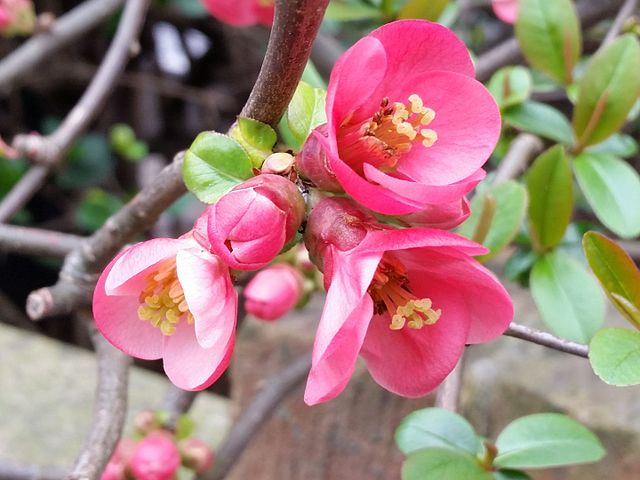
Japanese Quince / Spring / Summer / Autumn / Winter / Edible Japanese Quince is a non-native, thorny deciduous shrub, popular in gardens for its attractive flowers and fruit. it is generally quite compact but can grow up to 2 metres tall. Common Names Japanese Quince, Maule’s Quince, Northern Lemon,…

Daisy / All Year Round / Edible An abundant, perennial, wild edible that all of us are familiar with, if only from making ‘daisy bracelets’ as a child. They can be found almost anywhere on any soil type. Common Names Daisy, Common Daisy, Lawn Daisy, English daisy, Bruisewort, Gardeners’ Friend…
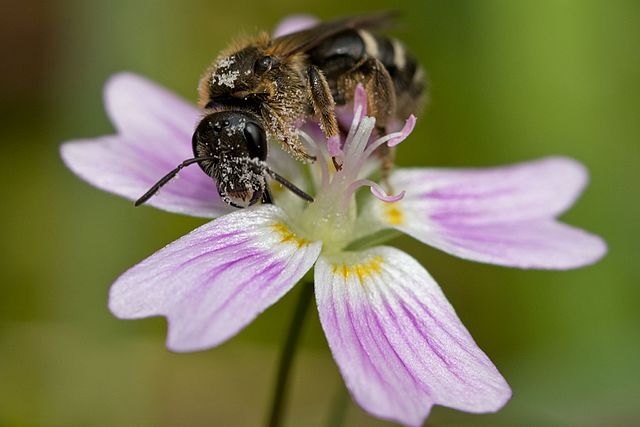
Pink Purslane / All Year Round / Edible A common non-native plant. It has a earthy almost beetroot like flavour and can be eaten raw or cooked. Common Names Winter Purslane, Siberian Spring Beauty Botanical Name Claytonia sibirica Scientific Classification Kingdom – Plantae Order – Caryophyllales Family – Montiaceae Physical…
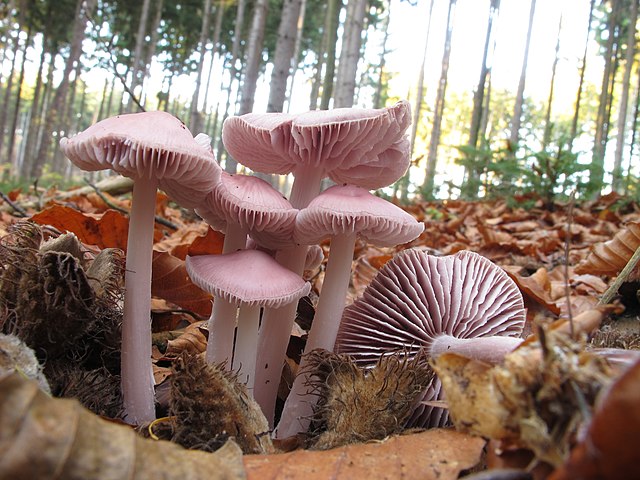
Lilac Bonnet / Summer / Autumn / Toxic Step into the realm of caution as we unveil the mysterious Lilac Bonnet (Mycena pura), a mushroom that demands respect for its toxic nature. Join us on a journey of awareness and safety as we delve into the risks associated with this…