


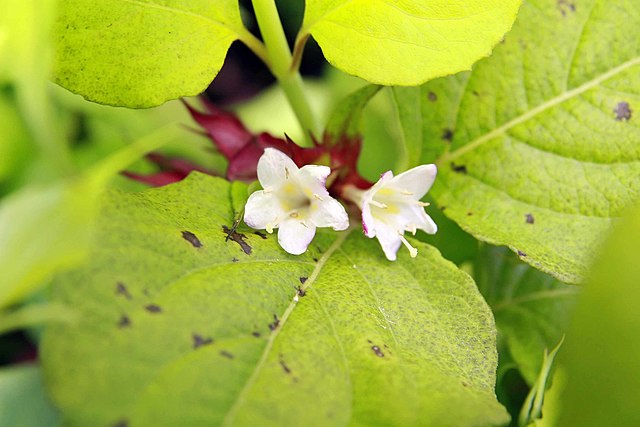
Pheasant berry / Spring / Summer / Autumn / Edible A non-native member of the Honeysuckle family, it’s originally from China and the Himalaya’s and was introduced to the UK by the Victorians. The berries have a strong toffee like flavour. It’s a deciduous shrub-like plant. Common Names Pheasant berry,…
Tag: spring

Wild Thyme / All Year Round / Edible It’s a low lying and fragrant member of the Mint family, it often grows in dense mats and can be used in place of cultivated Thyme (Thymus vulgaris). Common Names Wild Thyme, Creeping Thyme Botanical Name Thymus polytrichus Scientific Classification Kingdom –…
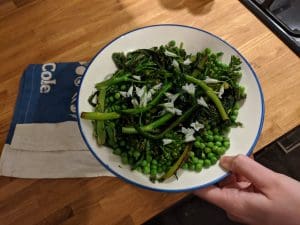
This Three-Cornered Leek & wilted Hogweed Stem with peas is a super fresh spring recipe, we’re keeping it simple with just two wild ingredients here, this recipe works really well as a side dish to loads of different meals you’re creating. Or use it as the star of the show…
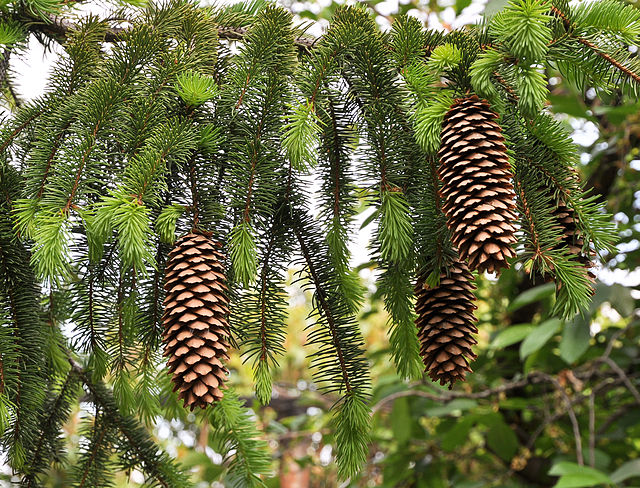
Spruce / All year round / Edible Spruce is a family of naturalised, fast-growing, evergreen trees. They are a common choice of tree in 20th century plantations, but can also self seed and spread their seeds on the wind. Common Names Norway spruce Botanical Name Picea abies Scientific Classification Kingdom…
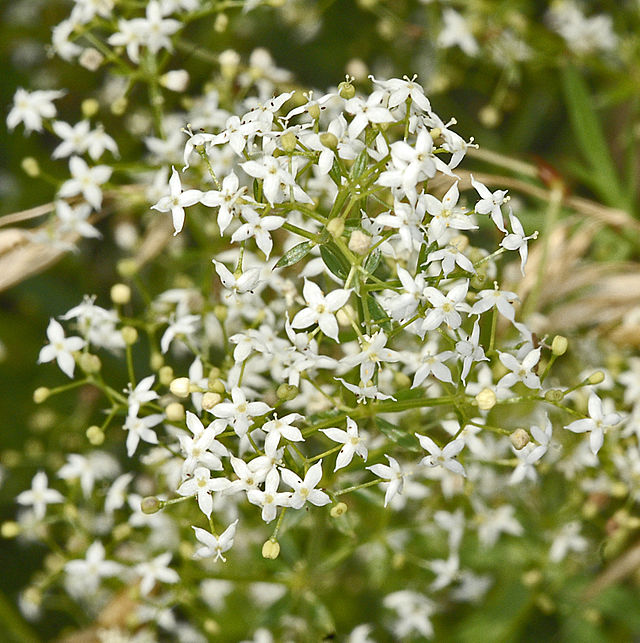
Hedge Bedstraw / Spring / Summer / Edible Hedge Bedstraw is a fairly common hedgerow plant, it’s related to Cleavers and Coffee. Common Names Hedge bedstraw, False baby’s breath, Botanical Name Galium mollugo Scientific Classification Kingdom – Plantae Order – Gentianales Family – Rubiaceae Physical Characteristics for Hedge Bedstraw…
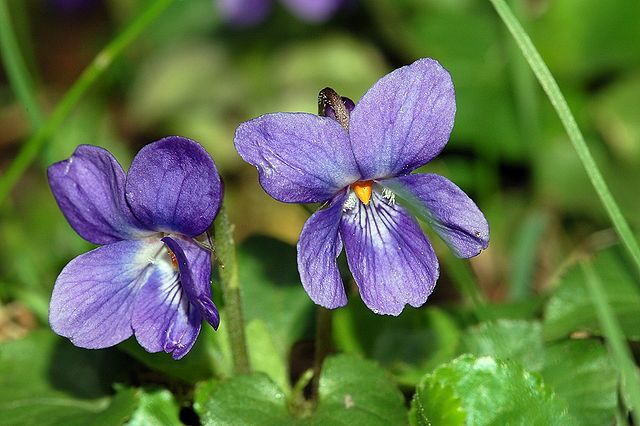
Sweet Violet / Spring / Summer / Edible Sweet Violet is a sweet-scented woodland plant, the roots and seeds are toxic but the flowers are delicious. Common Names Sweet violet, Wood violet, English violet, Common violet, Florist’s violet or Garden violet. Botanical Name Viola odorata Scientific Classification Kingdom – Plantae…
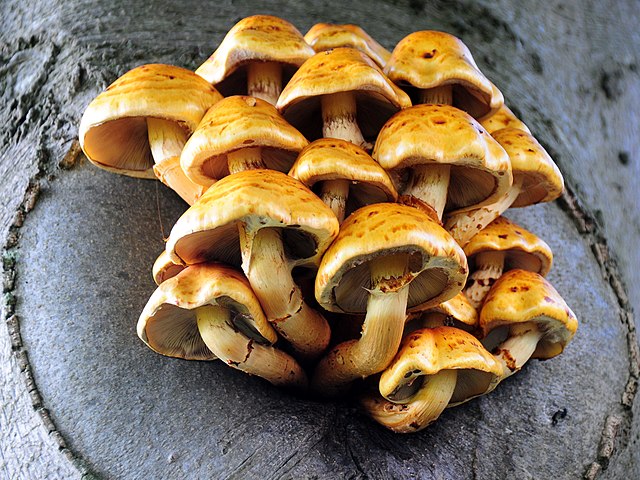
Golden Scalycap / Spring / Autumn / Inedible Welcome to an exploration of nature’s intricate beauty as we uncover the distinctive characteristics and identification features of the inedible Golden Scalycap (Pholiota adiposa). Join us on a journey where observation and knowledge intersect. With its striking golden-brown caps and intricate scales,…
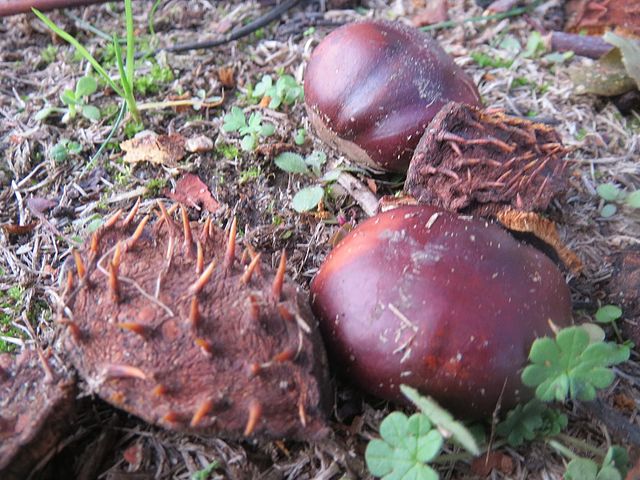
Horse Chestnut / All year round / Toxic The ‘nuts’ or ‘conkers’ of Horse Chestnut are a common and familiar sight in autumn, the tree was introduced to the UK from Turkey in the 16th century. Common Names Horse Chestnut, Conker tree, Buckeye. Botanical Name Aesculus hippocastanum Scientific Classification Kingdom…
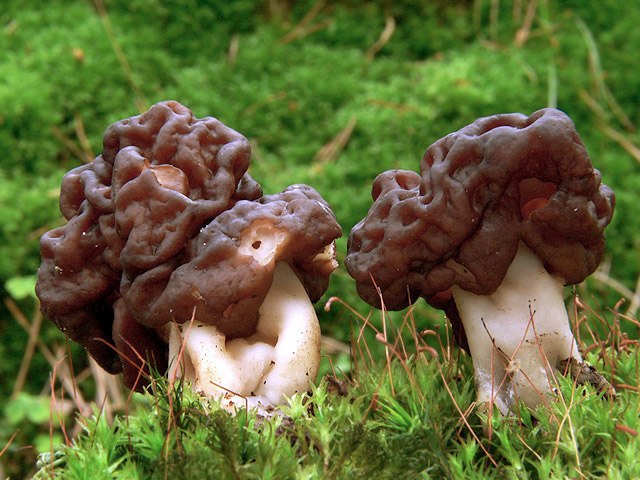
False Morel / Spring / Toxic Enter a realm of danger as we unveil the sinister truth about the False Morel (Gyromitra esculenta), a mushroom that demands utmost caution. Join us on a journey where deception and toxicity intertwine. With its intricate brain-like appearance and earthy allure, the False Morel…
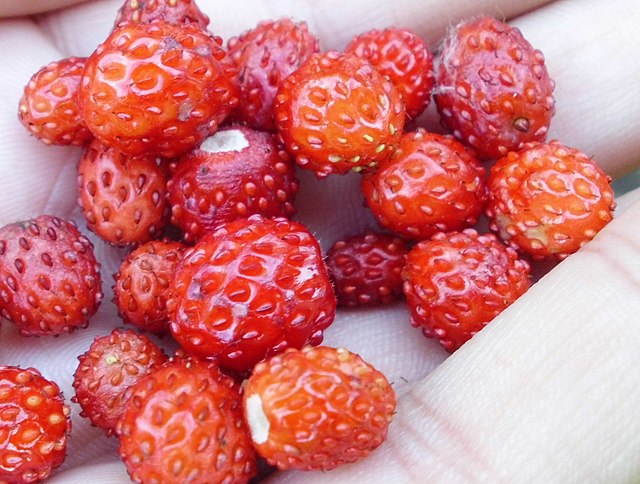
Wild Strawberry / Spring / Summer / Edible A common sight in woodlands, gardens and parks. It’s a native perennial plant that’s really easy to identify. Common Names Wild Strawberry, Woodland Strawberry, Alpine strawberry, Carpathian strawberry, European strawberry. Botanical Name Fragaria vesca Scientific Classification Kingdom – Plantae Order – Rosales…