


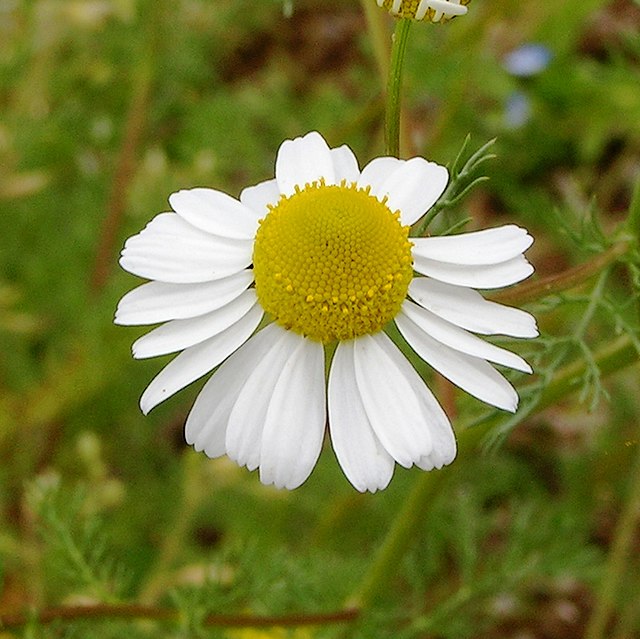
German Chamomile / Spring / Summer / Edible German Chamomile is A non-native annual member of the daisy family, it can be used in the same way as the less common English Chamomile. Common Names Chamomile, Camomile, German chamomile, Hungarian chamomile, Wild chamomile, Blue chamomile, or Scented mayweed Botanical Name…
Tag: autumn

English Chamomile / Spring / Summer / Edible Chamomile A once common plant but due to habitat loss it is classed as vulnerable on the Vascular Plant Red Data List for Great Britain. We would therefore not recommend harvesting it in the wild. Common Names Chamomile, Camomile, Roman Chamomile, English…
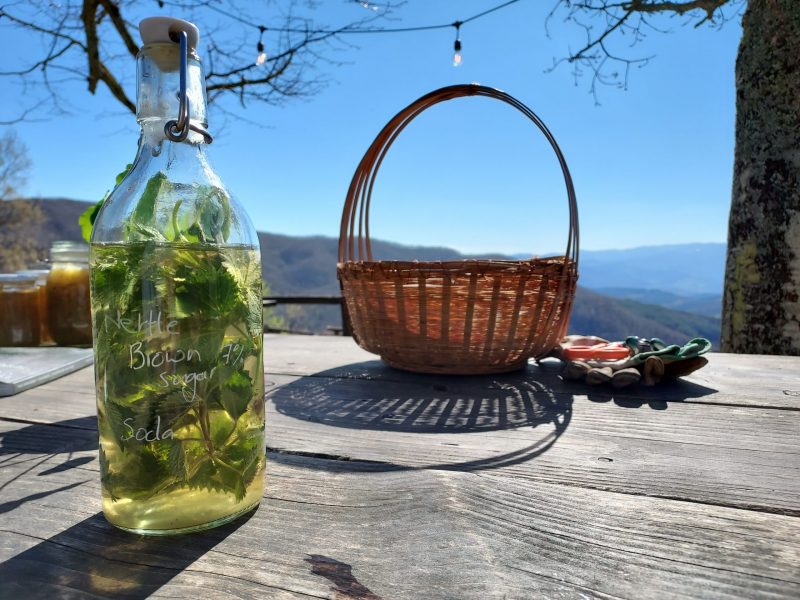
This Nettle soda is a simple, naturally fermented drink with a refreshing flavour that’s surprisingly similar to lemon iced tea — light, tangy, and just a little earthy. Thanks to the fermentation process, it’s not only delicious but also packed with natural probiotics that can support gut health. Best of…
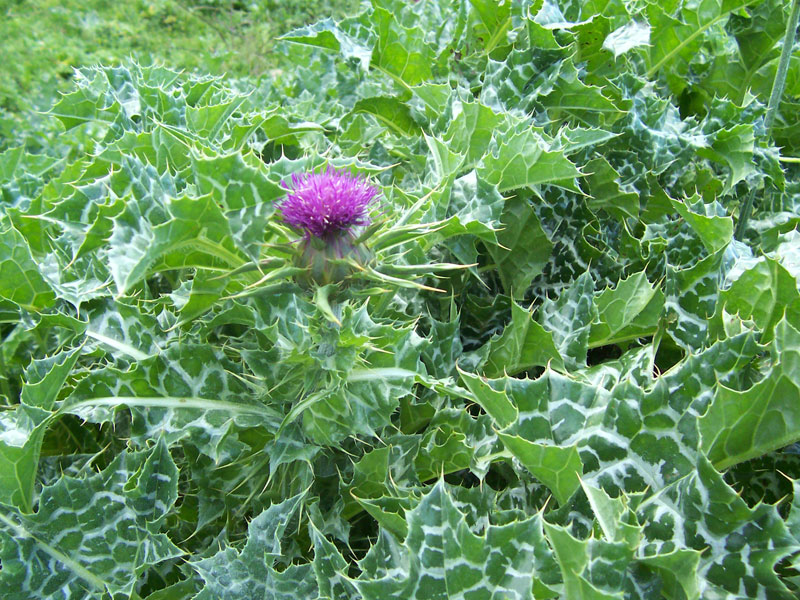
Milk Thistle / Spring / Summer / Autumn / Edible Milk Thistle is an aggressive-looking plant, but with a pair of thick gloves and a little effort you can get plenty of fantastic edible stems & centres from this plant. Common Names Holy Thistle, Zebra Thistle, The Spikey Queen…
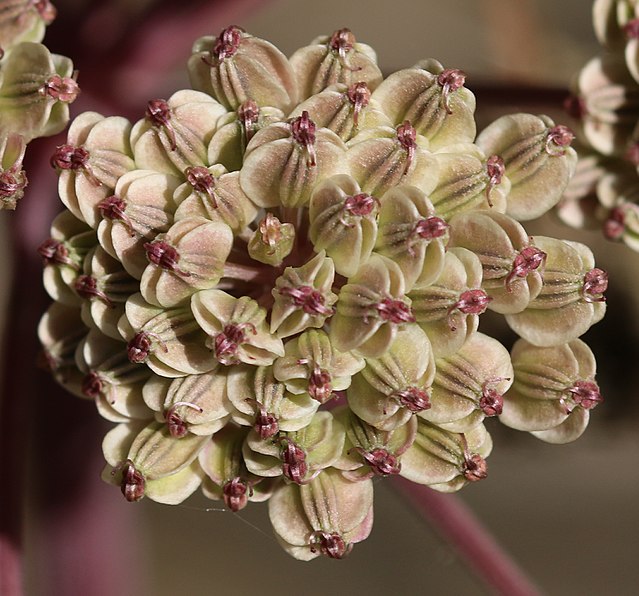
Angelica / Spring / Summer / Autumn / Edible A common, annual and edible member of the Carrot or Umbellifer family. It’s not the easiest plant to ID as its leaves look a little like Hemlock Water Dropwort (Oenanthe crocata) so care must be taken. Common Names Angelica, Wild Angelica…
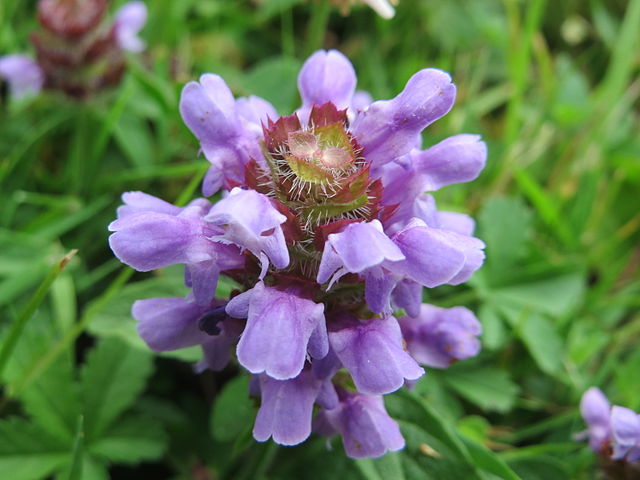
Selfheal / Summer / Autumn / Edible Self Heal is a common and edible member of the Mint family. It’s a creeping, perennial plant with a long history of use in herbal medicine. Hippocrates said ‘let food be thy medicine and medicine be thy food.’ And this plant is a…
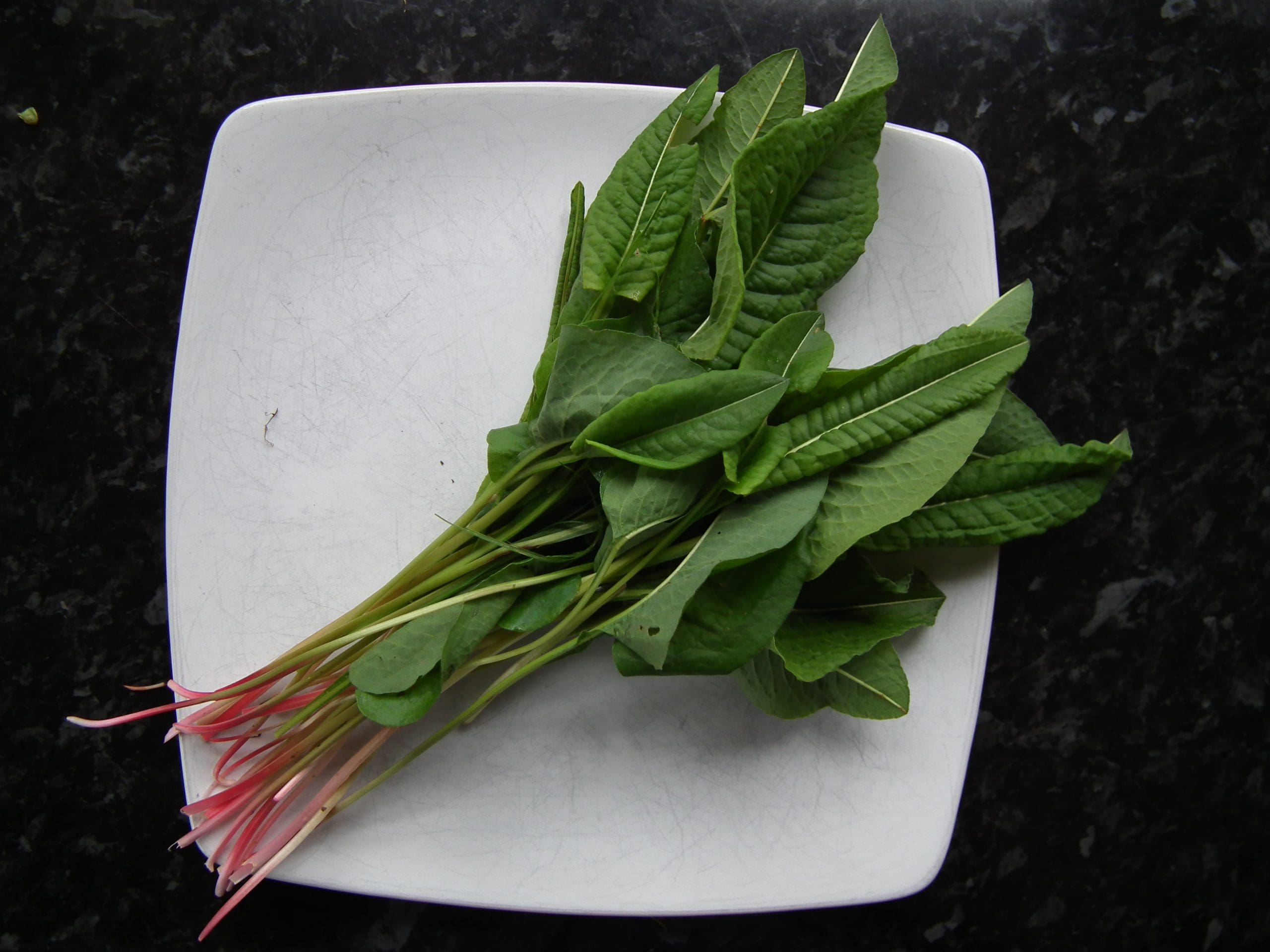
Docks / All Year Round / Edible A common and familiar wild plant. Well known as a cure for Nettle stings but it is also edible. There are two main species found in the UK, Broad-leaved Dock (Rumex obtusifolius) and Curled Dock (Rumex crispus) both have a similar taste and…
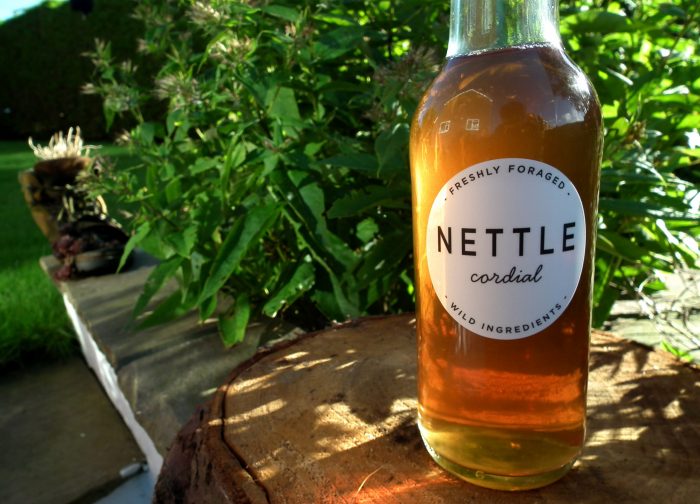
Our Nettle Cordial Recipe is a surprising use of nettles and it will leave you amazed by the flavours that can be achieved from the prolific weed that is stinging nettles. I promise it won’t sting and in fact I bet you’ll soon be running off to your nearest nettle…

The Dandelion Coffee Panna Cotta recipe is a fancy-sounding but deceptively easy sweet to make, which should more properly be described as weed flavoured pudding! With it’s spicy biscuit, reminiscent of cardamom and warm, familiar coffee notes, your family and friends will not believe these sophisticated flavours come from the…
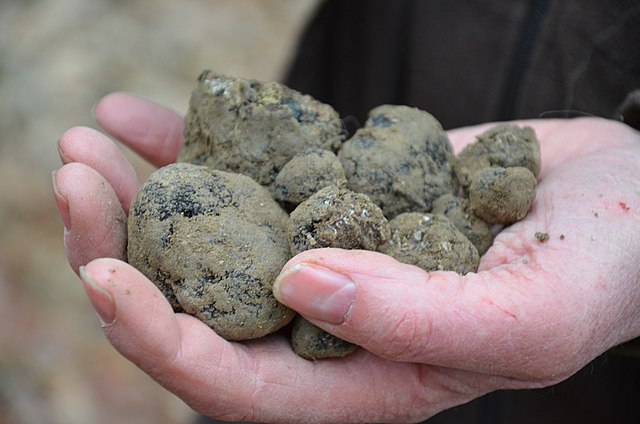
One of the most commonly asked questions, when we are running courses, is ‘Will we find any Truffles today?’ unfortunately my answer is almost always no, through this guide we’re going to look at An Introduction to Truffles in case you happen to be lucky enough to stumble across some…